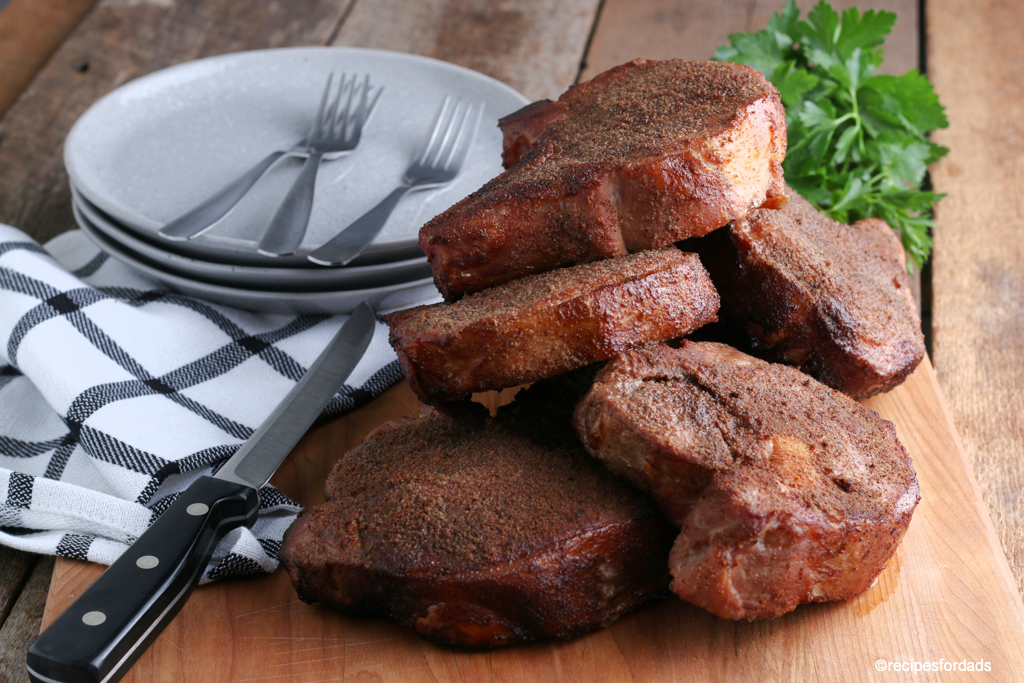
Get Juicy, Never Dry Smoked Pork Chops: Your Ultimate Guide
There’s nothing quite as disappointing as a dry, tough pork chop. It’s a common culinary frustration, especially when venturing into the art of smoking. But what if we told you that achieving perfectly tender, incredibly juicy smoked pork chops is not only possible but surprisingly straightforward? Forget everything you thought you knew about bland pork. With this ultimate guide, you're about to unlock the secrets to a fuss-free, flavor-packed smoked pork chop experience that will tantalize your taste buds and impress every guest. Smoking pork chops transforms an everyday cut of meat into something extraordinary. The low and slow cooking process, combined with a kiss of wood smoke, infuses the pork with a depth of flavor that's simply unattainable through other methods. This article will walk you through every critical step, from selecting the right cut to brining, seasoning, and perfectly smoking your way to succulent results every time.The Foundation of Flavor: Selecting the Right Pork Chops
The journey to perfect smoked pork chops begins long before they hit the smoker. The cut and thickness of your pork chops are paramount for achieving that coveted juicy texture.Bone-in is Best: For superior flavor and moisture retention, always opt for bone-in pork chops. The bone acts as a natural insulator, helping the meat cook more evenly and retain its moisture. It also contributes a richer, fuller flavor to the meat as it renders during the smoking process. When it comes to specific cuts, rib chops and loin chops are excellent choices, renowned for their tenderness and flavor profile when smoked.
Thickness Matters: Aim for pork chops that are at least 1 ½ inches thick. Thinner cuts are far more susceptible to drying out quickly on the smoker, leading to a tough, disappointing result. A thicker chop provides a larger thermal mass, allowing for a longer smoking time at low temperatures, which is essential for developing that deep smoky flavor without overcooking the interior.
The Secret to Succulence: Brining for Unbeatable Moisture
If you want truly juicy smoked pork chops, brining is the non-negotiable step you absolutely cannot skip. This simple technique is the cornerstone of moisture retention and flavor enhancement, ensuring your chops emerge from the smoker tender and moist, even after hours of smoke.Why Brine? Brining works wonders by allowing the pork to absorb moisture and salt before cooking. The salt helps to denature the protein strands in the meat, enabling them to hold onto more water during cooking. This acts as a safeguard against drying out, especially in the smoker's dry heat.
Our Go-To Brine Recipe: For optimal results, create a brine mixture that balances sweetness and salinity. A fantastic base includes:
- Water
- Dark brown sugar (adds a subtle sweetness and helps with caramelization)
- Apple juice (introduces a fruity tang that complements pork beautifully)
Combine these ingredients and ensure the sugar and salt are fully dissolved. Place your bone-in pork chops in the brine, ensuring they are fully submerged. Refrigerate them for a minimum of four hours, and ideally, up to overnight (8-12 hours) for maximum effect. This extended soak not only infuses moisture but also permeates the meat with subtle, delicious flavors that will shine through the smoke.
For more in-depth knowledge about brining and perfecting your smoked pork chops, check out our related guide: Master Smoked Pork Chops: Brine, Rub, & Perfect Temp Secrets.
Crafting Your Flavor Profile: The Perfect Rub
Once brined, your pork chops are ready for their flavorful coat: the rub. A well-balanced rub adds layers of taste, creating a beautiful crust and enhancing the overall smoky experience. This rub strikes a perfect balance between sweet, savory, and a hint of spice.Our Recommended Savory Rub:
- 1 ½ teaspoons kosher salt (even after brining, a little surface salt helps with crust)
- 1 ½ teaspoons light brown sugar (for sweetness and caramelization)
- 1 ½ teaspoons ground black pepper
- 1 teaspoon paprika (for color and mild pepper notes)
- ½ teaspoon ground mustard (adds a subtle tang and depth)
- ½ teaspoon garlic powder
- ½ teaspoon onion powder
- ¼ teaspoon oregano (adds an aromatic, herbaceous note)
Application is Key: In a small bowl, combine all the rub ingredients thoroughly. Once your pork chops are removed from the brine, pat them completely dry with paper towels. This step is crucial for the rub to adhere properly and for a good bark to form. Then, generously sprinkle and pat the rub onto all sides of each pork chop, ensuring they are thoroughly coated. Don't be shy – a good layer of rub means a great flavor experience.
Mastering the Smoker: Temperature, Wood, and Timing
Smoker Preparation:
- Preheat Your Smoker: Begin by preheating your smoker. A temperature range of 225°F to 250°F works best for smoked pork chops. While 225°F offers a slightly longer, more intense smoke flavor, 250°F can speed up the cook time without sacrificing much juiciness. Consistency is key, so ensure your smoker holds its temperature well.
- Add Your Wood: Once preheated, add your chosen wood chunks or chips according to your smoker's manufacturer's directions. For pork, hardwoods like oak, apple, cherry, or hickory are excellent choices. Oak provides a robust, classic smoke flavor, while apple and cherry offer a milder, fruitier aroma. Experiment to find your favorite!
Smoking the Chops:
- Placement: Arrange your seasoned pork chops directly on the smoker grates, ensuring they are not touching each other. This allows for even smoke circulation around each chop.
- Internal Temperature is King: While smoking times can vary (typically 1 ½ to 2 ½ hours, depending on thickness and smoker temperature), *always* rely on an internal meat thermometer. Smoke the pork chops until they reach an internal temperature of 140°F. This precise temperature is vital because pork chops will continue to cook a few degrees after being removed from the heat (this is known as carryover cooking). Pulling them at 140°F ensures they reach a perfect medium-rare to medium doneness, keeping them incredibly juicy.
- Monitor and Adjust: Keep an eye on your smoker's temperature and the internal temperature of your chops. Factors like ambient temperature, opening the smoker lid too often, and chop thickness can all affect cooking time.
The All-Important Rest: Once your pork chops hit 140°F, remove them immediately from the smoker. Tent them loosely with aluminum foil and let them rest for 10 to 15 minutes. This resting period is crucial; it allows the muscle fibers to relax and reabsorb the juices that have migrated to the center during cooking, ensuring every bite is succulent and flavorful.
Beyond the Basics: Serving and Versatility
Your perfectly smoked pork chops are a delicious dinner option on their own, packed with incredibly juicy flavors. They are wonderfully versatile and pair well with a wide array of side dishes.Classic Pairings:
- Crisp coleslaw
- Hearty grilled potato wedges or creamy smoked baked potatoes
- Fresh grilled asparagus or other seasonal grilled vegetables
- Sweet and tangy Instant Pot BBQ Baked Beans
- A simple side salad with a vinaigrette dressing
Embracing Culinary Traditions: Don't limit these beautiful cuts to just being a main course! Smoked pork chops are incredibly popular in other cuisines for their rich, pre-smoked flavor. For instance, in Dominican cuisine, "chuleta ahumada guisada" features pre-smoked pork chops stewed in a simple yet flavorful tomato-based sauce with vegetables like onions and peppers. This highlights the versatility and practicality of smoked pork chops, where their inherent smoky flavor and extended shelf life make them a staple for quick, inexpensive, and deeply flavorful everyday meals. This dish exemplifies how smoked chops can transition from a fuss-free weeknight meal to a cornerstone ingredient in a traditional, comforting stew.
To explore more ways to enjoy your smoked pork chops, from simple dinners to international stews, read our article: Smoked Pork Chops: From Easy Weeknight Dinner to Dominican Stew.
